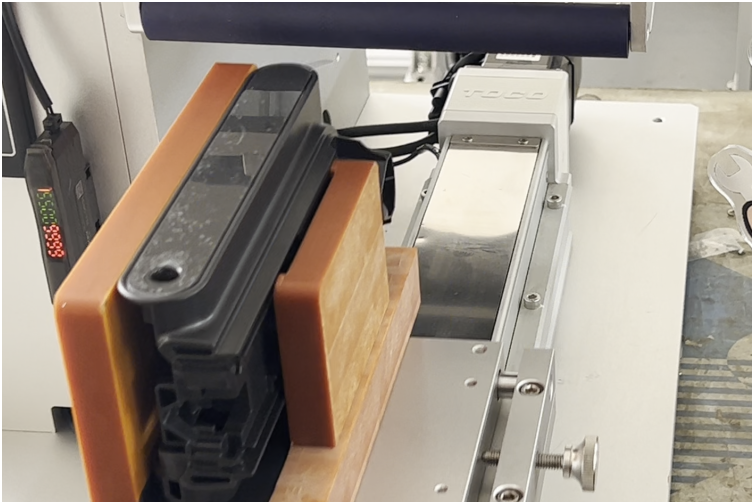
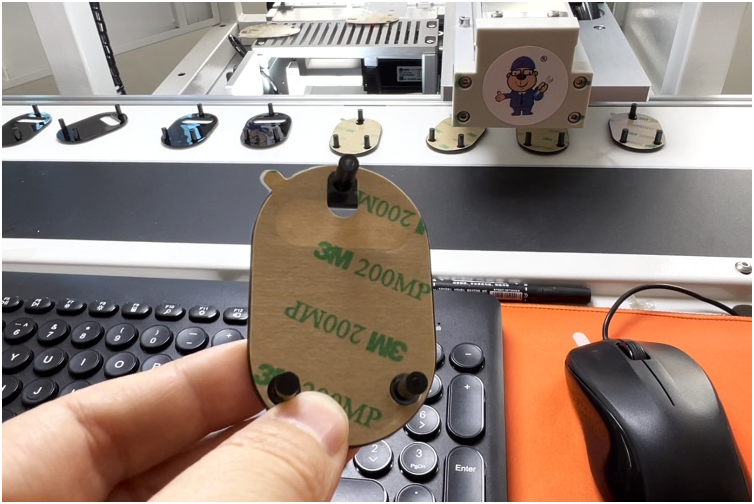
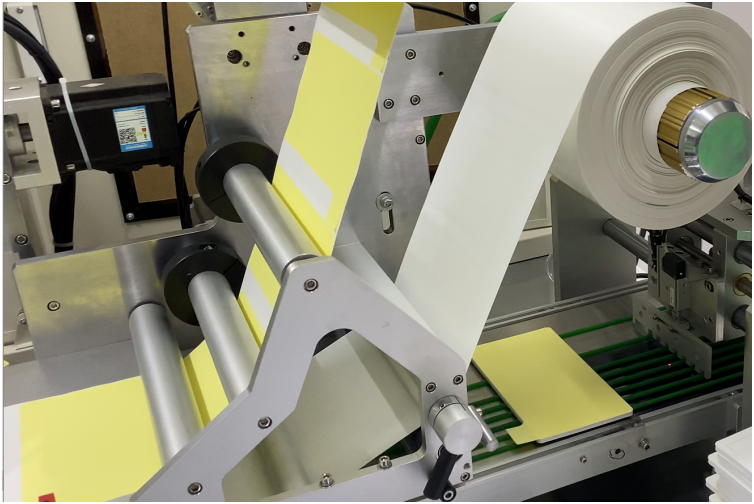
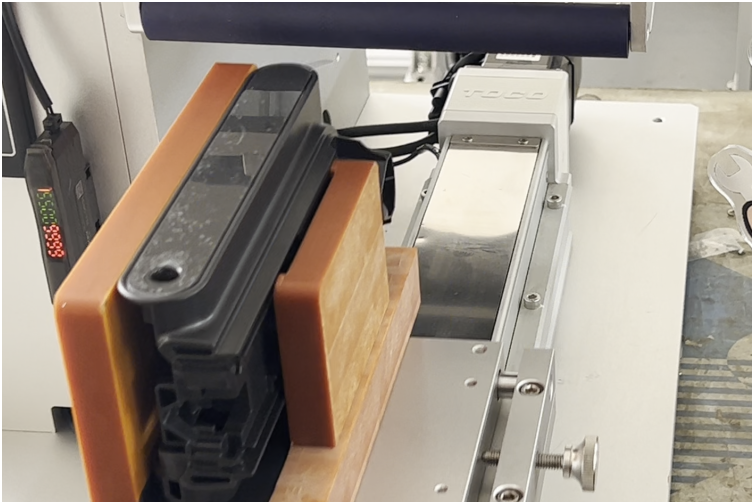
In the field of precision manufacturing of imaging equipment, the film application on camera frames is no longer merely a simple measure for protecting the appearance; it has become a crucial process that directly affects product yield, manufacturing costs, and market competitiveness. However, numerous manufacturing enterprises are facing the same predicament: the loss rate of film materials remains high, with frequent occurrences of waste from edge scraps, machine adjustments, misalignment of the film, and poor material compatibility. The costs keep flowing away like an "invisible funnel" - especially in production lines that rely heavily on film application machines, once control is absent, the loss rate can easily exceed 10%, devouring the profit margins of the enterprises.
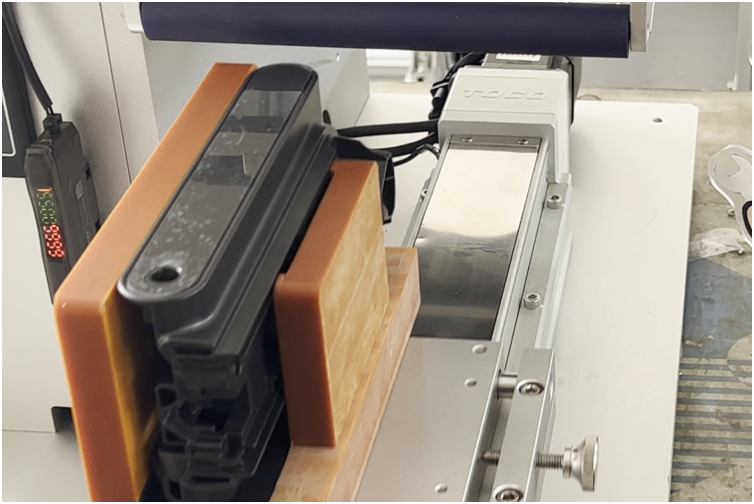
For the managers of injection molding factories, macro costs are easy to calculate, but micro waste is difficult to track. In the manual film application on the plastic frames of cameras, the waste of film sheets due to misalignment and improper operation accumulates over time, representing a huge hidden cost. At the same time, it is impossible to accurately calculate the actual material consumption of each individual product, resulting in ambiguous cost accounting and making it unfavorable for refined management.
The membrane materials have warping, glue overflow, size deviation, and packaging damage, indicating poor incoming materials;
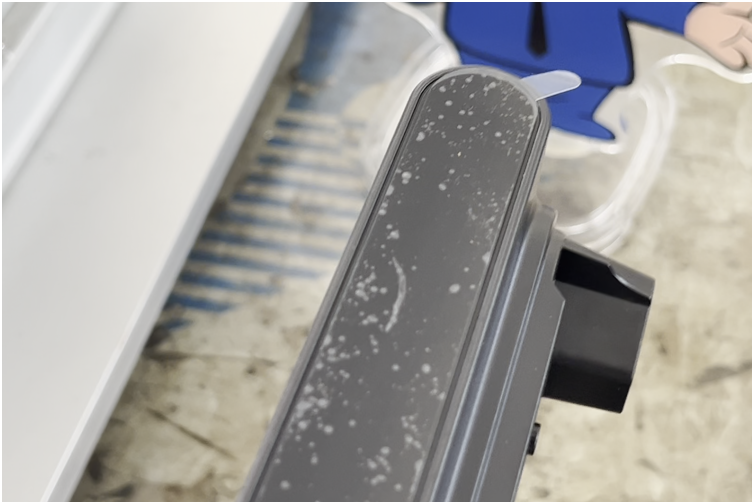
Manual application is off-center, bubbles, wrinkles, glue overflow, peeling off the film and damaging the frame, misalignment, machine installation deviation, and waste from changing molds and adjusting machines for reapplication.
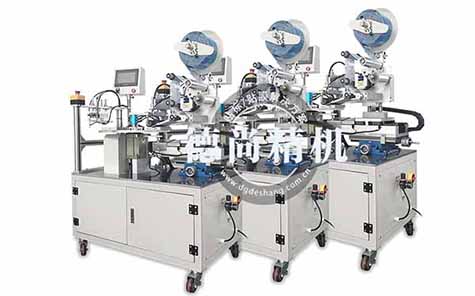
Our plastic automatic film applicator for camera casings is a practitioner of lean production. Its high-precision alignment system minimizes material waste to an absolute minimum, and the yield rate approaches 100% infinitely. At the same time, the equipment is equipped with precise cutting and feeding systems, avoiding unnecessary waste in manual operations. What's more, it can accurately record the usage of each film, generating detailed material consumption reports.
This enables you to clearly understand the precise cost of applying a protective film for a single product, providing an undeniable data foundation for financial accounting and cost control, and turning previously "invisible" waste into manageable indicators.